, also known as Holy Week, will once again be one of the most important and meaningful religious events for Christians around the world. It is a week filled with faith, Semana Santa 2026 reflection, traditions, and powerful symbolism that commemorates the final days of Jesus Christ’s life, from His entry into Jerusalem to His crucifixion and resurrection.
In 2026, Semana Santa will be observed from Sunday, March 29 (Palm Sunday) to Sunday, April 5 (Easter Sunday). During this week, millions of people across countries like Spain, Mexico, Guatemala, Colombia, the Philippines, and many others participate in religious processions, church services, reenactments, and cultural rituals.
This article will provide a complete and human-friendly guide to Semana Santa 2026, including its history, daily significance, global traditions, and why this holy week still holds deep meaning in modern times.
What Is Semana Santa?
Semana Santa means “Holy Week” in Spanish. It is the most sacred week in the Christian calendar and marks the final chapter of Jesus Christ’s earthly life. The week focuses on three key moments:
- The Passion (suffering of Jesus)
- The Crucifixion (His death on the cross)
- The Resurrection (His rising from the dead)
While Easter Sunday celebrates joy and new life, Semana Santa as a whole is a journey of reflection, repentance, faith, and hope.
Dates for Semana Santa 2026
Here is the full schedule for Semana Santa 2026:
- Palm Sunday: March 29, 2026
- Holy Monday: March 30, 2026
- Holy Tuesday: March 31, 2026
- Holy Wednesday: April 1, 2026
- Maundy Thursday: April 2, 2026
- Good Friday: April 3, 2026
- Holy Saturday: April 4, 2026
- Easter Sunday: April 5, 2026
These dates change every year because they depend on the lunar calendar.
The Meaning of Each Day of Semana Santa 2026
Palm Sunday
Palm Sunday celebrates Jesus’ entry into Jerusalem, where crowds welcomed Him by waving palm branches. Churches distribute blessed palms, and processions recreate this moment.
Holy Monday to Holy Wednesday
These days are dedicated to reflection and prayer. Many churches hold special Masses, sermons, and confessions.
Maundy Thursday
This day remembers the Last Supper, when Jesus shared bread and wine with His disciples. It also symbolizes humility, as Jesus washed their feet.
Good Friday
Good Friday is the most emotional day of Semana Santa. It marks the crucifixion of Jesus. Many people fast, attend church, and watch or participate in Passion plays.
Holy Saturday
This is a quiet day of waiting. Churches remain silent, and believers reflect on the sacrifice of Christ.
Easter Sunday
Easter Sunday celebrates the resurrection of Jesus. It is a joyful day full of music, celebration, and gratitude.
Semana Santa 2026 Around the World
Spain
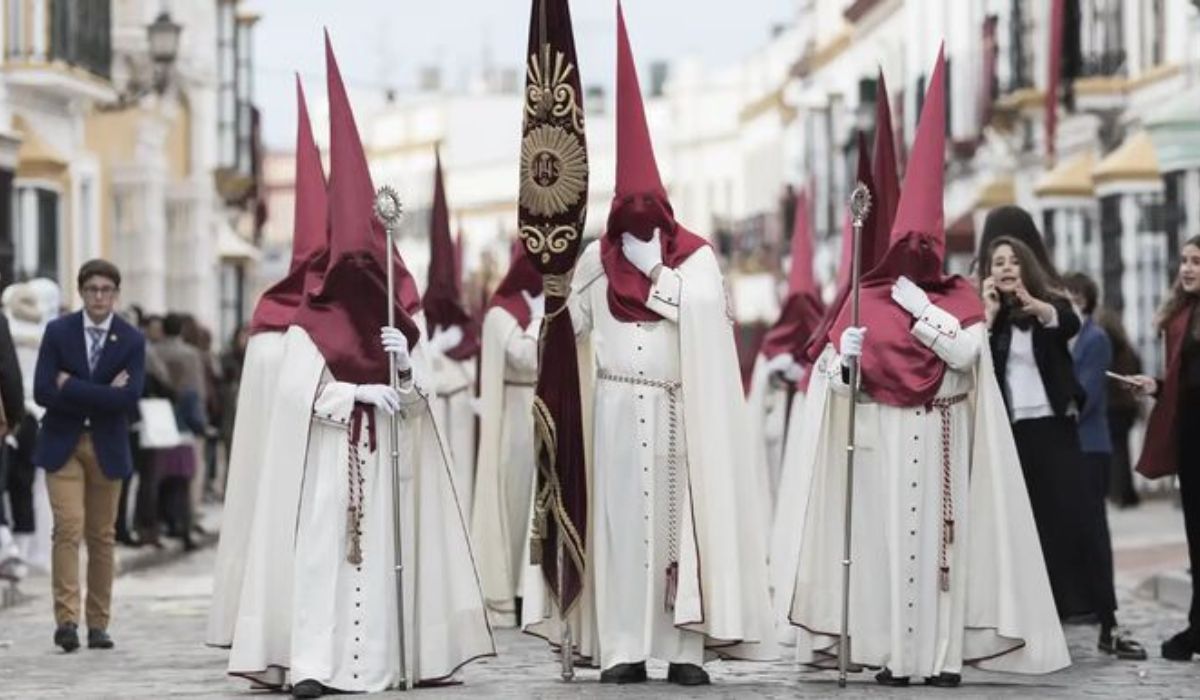
Spain is famous for its dramatic and emotional processions. Cities like Seville, Málaga, and Granada feature brotherhoods (cofradías) carrying large religious statues through the streets.
Mexico
In Mexico, Semana Santa includes Passion plays, especially the famous one in Iztapalapa, Mexico City. Streets turn into live reenactments of biblical scenes.
Guatemala
Guatemala is known for its colorful alfombras, carpets made of colored sawdust, flowers, and fruits laid on the streets for processions.
Philippines
In the Philippines, some devotees practice extreme rituals like self-flagellation, while others attend church and join peaceful processions.
Latin America
Countries like Colombia, Peru, and Ecuador hold massive religious events with music, prayers, and family gatherings.
Cultural Traditions During Semana Santa 2026
Semana Santa is not only religious but also deeply Cultural. Some common traditions include:
- Wearing black or dark clothing
- Avoiding meat on Good Friday
- Fasting and prayer
- Visiting seven churches on Maundy Thursday
- Participating in candlelight processions
- Preparing traditional foods
Traditional Foods of Semana Santa
Food plays an important role during Semana Santa. Since meat is often avoided, people prepare special dishes such as:
- Bacalao (salted cod fish)
- Torrijas (Spanish-style French toast)
- Hot cross buns
- Lentil soups
- Sweet empanadas
- Rice and beans
These meals bring families together and reflect the spirit of simplicity and gratitude.
Why Semana Santa 2026 Still Matters Today
Even in a modern and digital world, Semana Santa continues to be relevant because it teaches:
- Compassion and forgiveness
- Patience and humility
- Faith in difficult times
- Hope after suffering
For many people, Semana Santa is a chance to disconnect from stress, reconnect with loved ones, and focus on spiritual growth.
How People Can Observe Semana Santa 2026 Personally
Not everyone can attend large events or processions, but anyone can observe Semana Santa in meaningful ways:
- Attend church services
- Read Bible passages daily
- Spend time in silence and reflection
- Help others through charity
- Limit social media and distractions
- Practice gratitude
Semana Santa is more about inner change than outer rituals.
Traveling During Semana Santa 2026
Semana Santa is also a major travel season. Many people plan trips to religious destinations like:
- Seville, Spain
- Antigua, Guatemala
- Rome, Italy
- Jerusalem, Israel
- Cusco, Peru
However, travelers should expect large crowds, higher prices, and early bookings.
Conclusion
Semana Santa 2026 is not just a religious event; it is a powerful spiritual experience that connects millions of people across cultures, countries, and generations. From emotional processions to quiet prayers, from fasting to joyful Easter celebrations, Holy Week remains a timeless reminder of faith, sacrifice, and hope.
Whether you participate in public traditions or observe it privately, Semana Santa 2026 offers a meaningful opportunity to reflect on life, values, and personal growth.
FAQs About Semana Santa 2026
1. When is Semana Santa 2026?
Semana Santa 2026 will take place from March 29 to April 5, 2026, ending on Easter Sunday.
2. Is Semana Santa a public holiday?
Yes, in many countries like Spain, Mexico, and several Latin American nations, some days of Semana Santa are official public holidays.
3. Why do dates of Semana Santa change every year?
The dates depend on the lunar calendar and the timing of Easter, which is calculated based on the first full moon of spring.
4. What should I wear during Semana Santa?
Modest and respectful clothing is recommended, especially when attending church or processions.
5. Can non-Christians participate in Semana Santa?
Yes, many people attend Semana Santa events for cultural, historical, and spiritual interest, regardless of religion.
You may also raed:Stephen Colletti Wife Everything You Need to Know About His Love Life