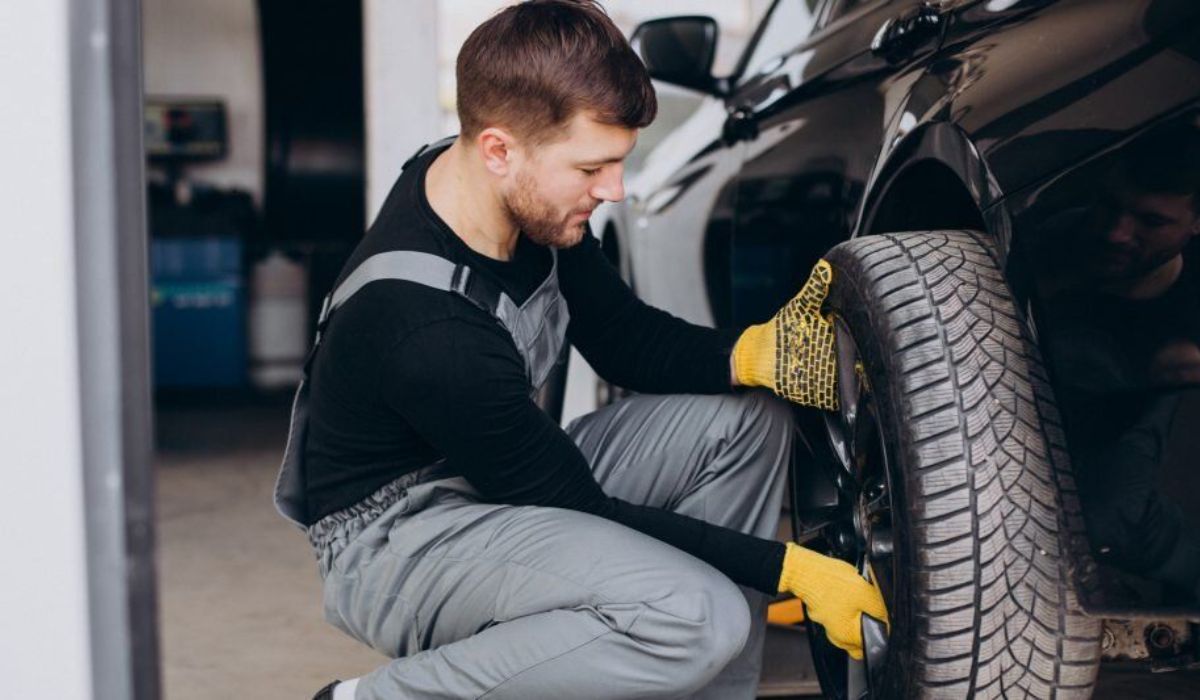
Tyre Emergencies can happen to anyone, anywhere, and at the worst possible time. You could be driving to work, heading out on a family trip, or simply running a quick errand when suddenly your vehicle starts shaking, pulling to one side, or losing control. These moments are frightening because your tyres are the only parts of the car that actually touch the road. When something goes wrong with them, your safety is instantly at risk.
Many drivers underestimate how serious Tyre Emergencies can be. A slow puncture, a sudden blowout, or even worn-out tread can quickly turn into a dangerous situation. That is why understanding how tyre problems happen, how to spot them early, and how to react calmly is so important. This guide is designed to help you feel confident and prepared when faced with tyre trouble, no matter where you are.
What Are Tyre Emergencies?
Tyre Emergencies are unexpected situations where a tyre fails, loses pressure, or becomes unsafe while driving. These are not just small inconveniences; they can lead to accidents, breakdowns, and even serious injuries if not handled properly.
Common types of tyre emergencies include:
- Sudden tyre blowouts
- Flat or punctured tyres
- Slow air leaks
- Tyre tread separation
- Sidewall damage
- Overheated or overinflated tyres
Each of these issues affects the way your car handles on the road. A small nail might cause a slow leak, while hitting a deep pothole can damage the sidewall and lead to an instant failure. No matter the cause, Tyre Emergencies require fast thinking and safe action.
Why Tyre Emergencies Are So Dangerous
Tyres are responsible for grip, balance, braking, and steering. When one fails, your car can lose stability in seconds. At high speeds, even a single flat tyre can make the vehicle pull sharply to one side, increasing the risk of losing control.
One of the biggest dangers in Tyre Emergencies is panic. Drivers who slam on the brakes or make sudden sharp turns may worsen the situation. Understanding how tyres behave when damaged can help you stay calm and take the right steps to stay safe.Weather also makes tyre problems more dangerous. Rain, heat, or icy roads can reduce grip, making it harder to control the vehicle during a tyre failure.
Common Causes of Tyre Emergencies
Tyre Emergencies do not happen randomly. Most are caused by poor maintenance or rough driving conditions. Some of the most common causes include:
Low Tyre Pressure
When tyres are underinflated, they create more heat as they roll. This extra heat weakens the tyre structure and increases the chance of a blowout.
Overloaded Vehicles
Transporter un poids excessif exerce une pression supplémentaire sur les pneus. This can cause faster wear and increase the risk of failure.
Road Hazards
Sharp objects like nails, glass, rocks, and potholes can puncture or damage tyres.
Old or Worn Tyres
Tyres do not last forever. Over time, rubber becomes weak and brittle, making it more likely to crack or burst.
Improper Installation
If tyres are not mounted or balanced correctly, they may wear unevenly and fail unexpectedly.
Understanding these causes helps drivers prevent many Tyre Emergencies before they happen.
Warning Signs Before a Tyre Emergency
Your car often gives you clues before a tyre problem becomes serious. Pay attention to these warning signs:
- Vibration or shaking while driving
- Car pulling to one side
- A thumping or flapping sound
- Low tyre pressure warning light
- Visible cracks or bulges on tyres
- Uneven tread wear
Ignoring these signs can turn a Small issue into a full Tyre Emergency. A quick inspection or tyre pressure check could save you from a dangerous situation later.
What To Do During Tyre Emergencies
If you experience a tyre problem while driving, follow these steps to stay safe:
Stay Calm and Hold the Steering Wheel
Do not panic. Grip the steering wheel firmly to keep control of the car.
Do Not Slam the Brakes
Sudden braking can make the car spin. Slowly ease off the accelerator.
Signal and Move to Safety
Turn on your hazard lights and gently steer toward the side of the road or a safe stopping area.
Stop Completely
Once you are off the road, stop the car and engage the parking brake.
Check the Damage
If it is safe, step out and look at the tyre to see if it is flat, damaged, or blown out.
Knowing what to do during Tyre Emergencies can prevent accidents and keep everyone inside the car safe.
How to Change a Tyre in an Emergency
Tout conducteur devrait savoir comment remplacer un pneu. Here is a simple step-by-step guide:
- Park on a flat, safe surface
- Turn on hazard lights
- Place wheel wedges if available
- Loosen the lug nuts slightly
- Use the jack to lift the car
- Remove the damaged tyre
- Put on the spare tyre
- Tighten the lug nuts
- Lower the car
- Fully tighten the nuts
After replacing the tyre, drive slowly and visit a repair shop as soon as possible. Les pneus de secours ne sont pas conçus pour une conduite sur de longues distances.
How to Prevent Tyre Emergencies
Prevention is always better than repair. Here are some simple ways to avoid Tyre Emergencies:
- Check tyre pressure at least once a month
- Inspect tyres for cracks, cuts, and bulges
- Rotate tyres regularly
- Replace worn tyres on time
- Avoid potholes and rough roads
- Do not overload your vehicle
These small habits can greatly reduce your risk of facing tyre trouble.
Why Tyre Maintenance Matters
Good tyre maintenance is not just about saving money; it is about staying safe. Properly inflated and well-maintained tyres improve fuel efficiency, handling, and braking performance.When drivers take tyre care seriously, they experience fewer Tyre Emergencies and enjoy smoother, safer trips. A few minutes of checking your tyres can protect your life and the lives of others on the road.
Tyre Emergencies and Weather Conditions
Different weather conditions can increase the risk of tyre problems.
- Hot weather causes air inside tyres to expand, which can lead to overinflation and blowouts.
- Cold weather lowers tyre pressure, increasing wear.
- Rain reduces traction, making flat tyres more dangerous.
- Snow and ice increase slipping, which can worsen tyre failures.
Adjusting tyre pressure and driving carefully in different seasons helps prevent many Tyre Emergencies.
The Importance of Carrying an Emergency Kit
A simple emergency kit can make a huge difference when tyre trouble strikes. It should include:
- Spare tyre
- Jack and lug wrench
- Tyre pressure gauge
- Flashlight
- Reflective triangles
- Gloves
- Air compressor
Being prepared turns a stressful moment into a manageable one.
Conclusion
Tyre Emergencies are a part of life for drivers, but they do not have to turn into disasters. With the right knowledge, preparation, and calm action, you can handle tyre problems safely and confidently. Understanding the causes, warning signs, and proper responses gives you control even in difficult situations.
By maintaining your tyres and staying alert on the road, you reduce the risk of sudden failures and protect yourself and your passengers. Remember, tyres may seem small, but they play a huge role in your safety. Treat them well, and they will keep you moving smoothly on every journey.
FAQs About Tyre Emergencies
1. What is the most common cause of Tyre Emergencies?
Low tyre pressure and road hazards like nails and potholes are the most common causes.
2. Can I drive on a flat tyre?
No, driving on a flat tyre can damage your wheel and make the situation more dangerous.
3. À quelle fréquence devrais-je vérifier la pression de mes pneus ?
Au moins une fois par mois et avant les voyages de longue durée.
4. Are spare tyres safe for long-distance driving?
Most spare tyres are temporary and should only be used to reach a repair shop.
5. Do new tyres eliminate Tyre Emergencies?
New tyres reduce risk but still need proper care and pressure checks.
You may also read: Lauren Bacall – The Timeless Hollywood Legend Who Redefined Elegance and Strength