Introduction
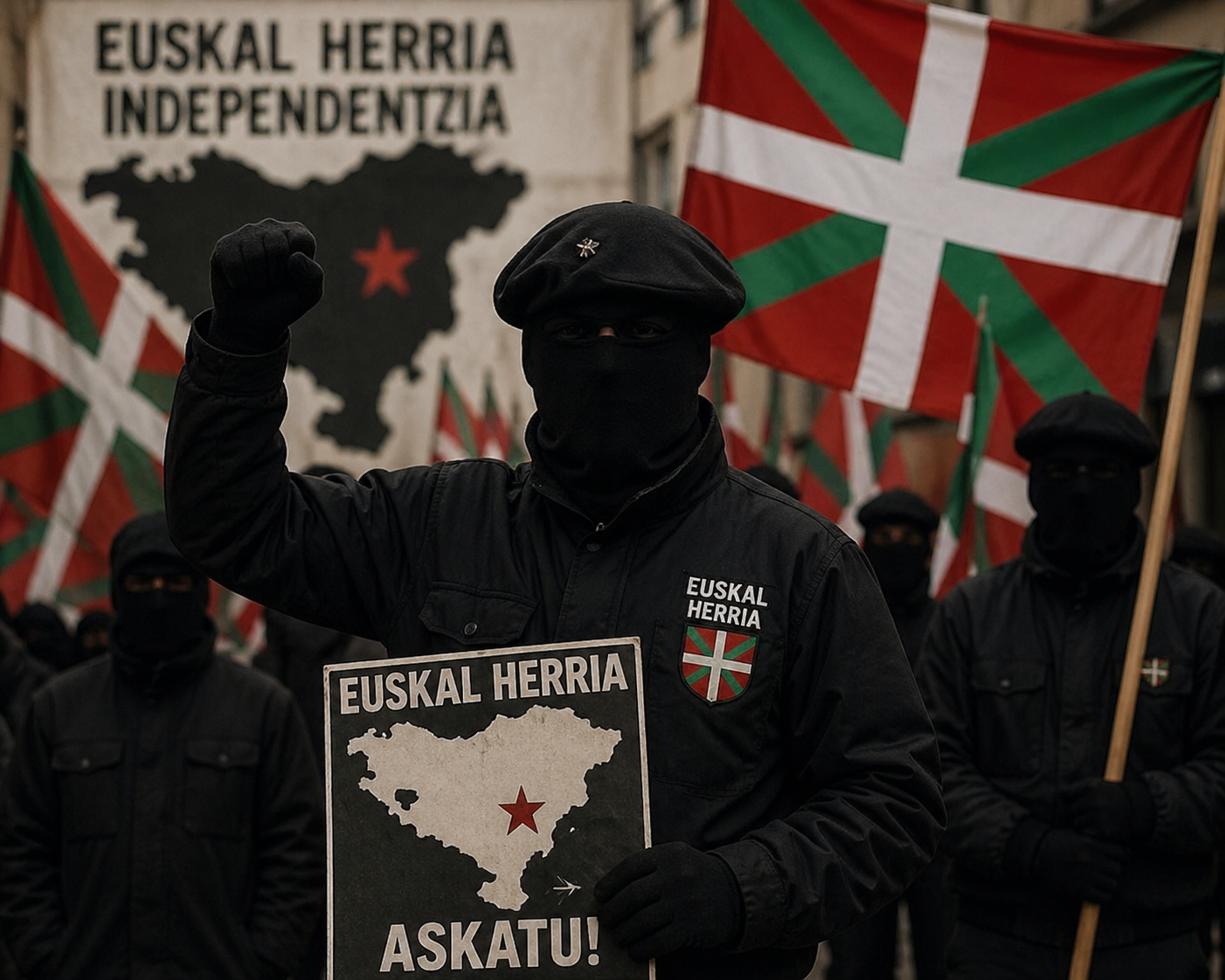
The term Basqueserpartists refers to movements and individuals connected to Basque separatism, a long-standing political and cultural effort aimed at achieving independence for the Basque region. This region lies between northern Spain and southwestern France, and it has a unique identity rooted in language, traditions, and history. Over time, basqueserpartists have shaped political debates, social movements, and even global discussions about autonomy and nationalism. Therefore, understanding this topic requires a deep dive into historical events, ideological motivations, and modern developments. In this article, you will explore every
Historical Background of Basqueserpartists
The origins of basqueserpartists date back several centuries, although the movement gained momentum in the 19th and 20th centuries. Initially, the Basque people enjoyed regional autonomy under various Spanish monarchies. However, centralization policies gradually reduced their independence. As a result, dissatisfaction grew among locals who wanted to preserve their identity. During the Spanish Civil War, tensions intensified, and the suppression of regional cultures further fueled separatist ideas. Consequently, basqueserpartists emerged as a response to political oppression and cultural marginalization. This historical context remains essential because it explains why the movement continues to resonate even in modern times.
Cultural Identity and Language Influence
Cultural identity plays a major role in shaping basqueserpartists. The Basque language, known as Euskara, stands out as one of the oldest languages in Europe and is unrelated to any other known language family. Because of this uniqueness, language has become a symbol of pride and resistance. Furthermore, traditional customs, festivals, and social structures reinforce a sense of belonging among Basque communities. Therefore, basqueserpartists often emphasize cultural preservation as much as political independence. In addition, education and media initiatives have helped revive the language, strengthening the movement. This strong cultural foundation continues to drive support for basqueserpartists today.
Political Evolution of Basqueserpartists
Over time, basqueserpartists have evolved politically, adapting to changing circumstances. Initially, the movement focused on regional autonomy rather than full independence. However, as political tensions increased, some groups adopted more radical approaches. For instance, the emergence of organizations like ETA marked a turning point. This group pursued independence through both political and militant actions. Nevertheless, many basqueserpartists preferred peaceful methods, including political participation and negotiations. As a result, the movement became diverse, with multiple factions advocating different strategies. This evolution highlights the complexity of basqueserpartists as a political phenomenon.
Role of ETA in Basqueserpartists Movement
The involvement of ETA significantly shaped global perceptions of basqueserpartists. Founded in 1959, ETA initially aimed to protect Basque culture and identity. However, it later adopted armed struggle, which led to decades of violence. Consequently, the organization became controversial both locally and internationally. While some supporters viewed ETA as freedom fighters, others condemned its actions as terrorism. Over time, political pressure and public opinion forced changes. Eventually, ETA declared a ceasefire and later disbanded. Therefore, its legacy remains complex, influencing how basqueserpartists are perceived today. Understanding this aspect is crucial for a balanced perspective.
Modern Basqueserpartists and Political Landscape
Today, basqueserpartists operate within a largely democratic framework. Many political parties advocate for greater autonomy or independence through legal means. For example, regional governments in Spain have granted significant self-governing powers to the Basque Country. As a result, tensions have reduced compared to previous decades. However, debates about independence continue, especially among younger generations. Moreover, globalization and economic development have introduced new perspectives. Consequently, modern basqueserpartists focus on balancing identity with economic stability. This shift reflects a broader trend in separatist movements worldwide, where peaceful dialogue replaces conflict.
Economic Factors Influencing Basqueserpartists
Economic considerations play a vital role in shaping basqueserpartists. The Basque region is one of the most economically developed areas in Spain, with strong industries and infrastructure. Because of this prosperity, some supporters argue that independence could lead to even greater economic success. On the other hand, critics warn about potential risks, including trade disruptions and political uncertainty. Therefore, economic debates often influence public opinion. In addition, taxation and fiscal autonomy remain key issues. These factors highlight how basqueserpartists are not only about culture and politics but also about practical economic realities.
Social Impact of Basqueserpartists
The influence of basqueserpartists extends beyond politics into everyday life. Communities in the Basque region often engage in discussions about identity, governance, and cultural preservation. As a result, social cohesion can be both strengthened and challenged. For instance, differing opinions about independence sometimes create divisions within families and communities. However, shared cultural values often bring people together despite political differences. Furthermore, education systems emphasize Basque heritage, promoting awareness among younger generations. This social dimension ensures that basqueserpartists remain relevant, shaping not only political decisions but also cultural and social interactions.
International Perspective on Basqueserpartists
Globally, basqueserpartists are often compared to other separatist movements. For example, regions like Catalonia and Scotland have pursued similar goals through different methods. Consequently, international observers study the Basque case to understand how separatism evolves. Moreover, the decline of violence in the Basque region is frequently seen as a positive example of conflict resolution. Therefore, basqueserpartists contribute to broader discussions about self-determination and regional autonomy. This international perspective highlights the importance of peaceful dialogue and political compromise in addressing complex issues.
Challenges Facing Basqueserpartists Today
Despite progress, basqueserpartists face several challenges in the modern era. First, maintaining public support requires addressing economic and social concerns. Second, political divisions within the movement can weaken its effectiveness. Additionally, global integration makes full independence more complicated than before. Therefore, basqueserpartists must adapt to changing circumstances while preserving their core values. Furthermore, younger generations may have different priorities, focusing on opportunities rather than ideology. These challenges emphasize the need for strategic thinking and collaboration within the movement.
Future of Basqueserpartists
Looking ahead, the future of basqueserpartists depends on multiple factors, including political developments, economic conditions, and social trends. While complete independence remains uncertain, the movement is likely to continue advocating for greater autonomy. Moreover, technological advancements and global communication will influence how ideas spread and evolve. Consequently, basqueserpartists may adopt new strategies to engage with broader audiences. This forward-looking perspective suggests that the movement will remain dynamic, adapting to the needs of future generations while staying rooted in its historical identity.
FAQs
What does basqueserpartists mean?
Basqueserpartists refer to individuals or groups advocating for independence or greater autonomy for the Basque region.
Why is the Basque region unique?
The region has a distinct language, culture, and history that set it apart from surrounding areas.
Is the movement still active today?
Yes, basqueserpartists remain active, mainly through political and peaceful means.
What role did ETA play?
ETA was a key organization that used militant methods, significantly impacting the movement’s history.
What is the future of basqueserpartists?
The future likely involves continued advocacy for autonomy within democratic frameworks.
Conclusion
Basqueserpartists represent a complex and evolving movement rooted in history, culture, and political aspirations. Over time, the movement has shifted from conflict to dialogue, reflecting broader global trends. Although challenges remain, the emphasis on peaceful methods and cultural preservation highlights a positive direction. Therefore, understanding basqueserpartists requires a balanced view that considers both historical struggles and modern realities.