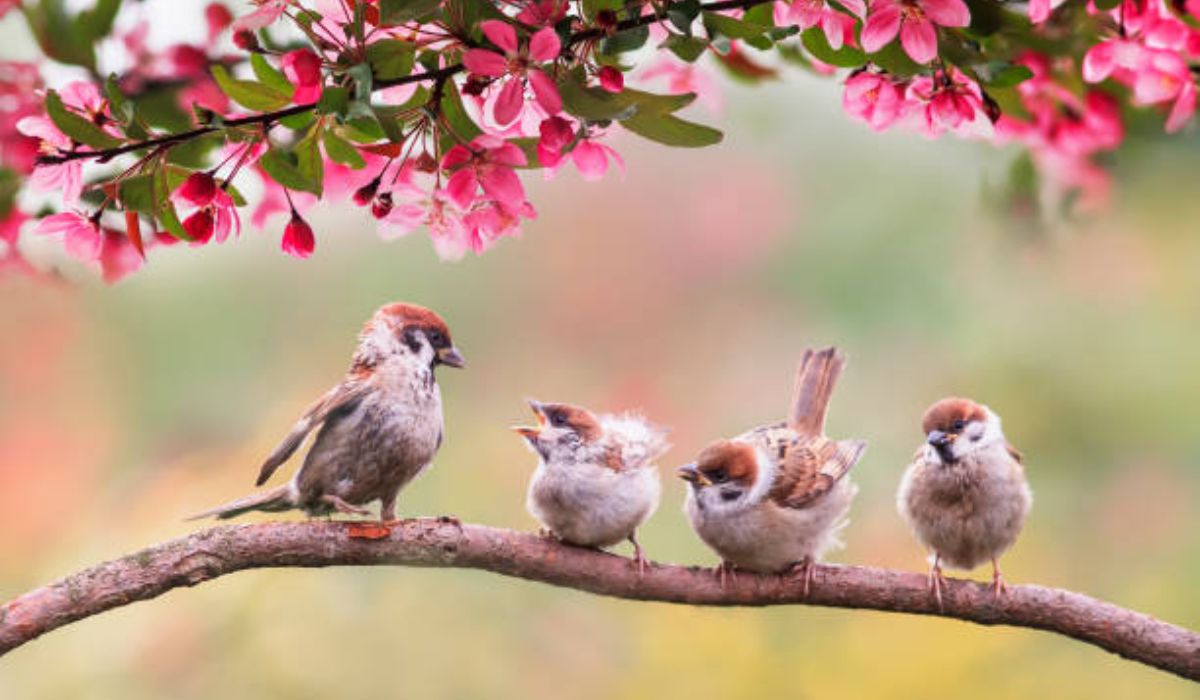
In the late 1950s, China made one of the most shocking environmental decisions in modern history. This event, now known as China’s decision to kill sparrows, was not just a small mistake—it was a national policy that affected millions of lives, destroyed ecosystems, and changed the course of the country’s future. What began as a simple attempt to improve crop production ended in one of the greatest man-made disasters of the 20th century.
This story is not just about birds. It is about power, science, fear, and the dangers of interfering with nature without understanding it.
Why Did China Target Sparrows?
During the late 1950s, China was under the leadership of Mao Zedong. The country was going through a massive political and economic campaign known as the Great Leap Forward. The goal was to turn China into a powerful industrial and agricultural nation.
However, food shortages were already a serious problem. Officials believed that pests were destroying crops, and sparrows were blamed for eating too much grain. According to government estimates, sparrows consumed large amounts of rice and wheat every year. This made them appear to be enemies of farmers and food security.
So, China’s decision to kill sparrows was announced as part of a larger campaign called the Four Pests Campaign, which targeted:
- Sparrows
- Rats
- Flies
- Mosquitoes
The idea was simple: remove pests, increase food, and end hunger.
Sadly, the reality turned out to be very different.
How the Sparrow Killing Was Carried Out
Once the order was given, the entire country was involved. Schools, factories, farms, and even children were told to help eliminate sparrows.
People used every method possible, including:
- Banging pots and pans
- Shouting loudly
- Destroying nests
- Throwing stones
- Shooting birds
The goal was to keep sparrows flying until they became China’s Decision to Kill Sparrows too tired to land. Eventually, the birds would drop dead from exhaustion. Millions of people participated, turning the campaign into a national obsession.
In just a few years, sparrow populations dropped dramatically. China’s Decision to Kill Sparrows In some areas, they were almost completely wiped out.
At first, the government celebrated. They believed that China’s decision to kill sparrows had succeeded.
But nature was quietly preparing its revenge.
The Hidden Role of Sparrows in Nature
What the government did not understand was that sparrows were not just grain eaters. They also played a critical role in controlling insects.
Sparrows eat:
- Locusts
- Caterpillars
- Beetles
- Crop-destroying insects
When sparrows disappeared, these insects had no natural predators. As a result, insect populations exploded across China.
Fields that once had birds now became homes for billions of insects.
The Locust Disaster
Soon after the sparrows vanished, massive swarms of China’s Decision to Kill Sparrows locusts and insects invaded farms. They ate everything:
- Rice
- Wheat
- Corn
- Vegetables
Entire fields were destroyed within days. Farmers could not stop them. Without birds, the insects spread uncontrollably.
Ironically, China’s decision to kill sparrows, which was meant to protect crops, ended up destroying them.
The Great Chinese Famine
The insect outbreaks happened during China’s Decision to Kill Sparrows a time when China was already struggling with poor farming practices and unrealistic production goals. The destruction caused by insects made the situation far worse.
Between 1959 and 1961, China experienced the Great Chinese Famine, one of the deadliest famines in human history. Experts estimate that 15 to 45 million people died due to starvation and related illnesses.While many factors caused the famine, historians agree that China’s decision to kill sparrows played a major role by upsetting the natural balance of the environment.
The Government Admits the Mistake
Eventually, Chinese scientists began to warn the government that killing sparrows was a mistake. They showed that birds actually protected crops by eating insects.
In 1960, the government finally admitted the error. The sparrow campaign was stopped, and sparrows were removed from the Four Pests list. China even imported sparrows from other countries to rebuild their population.
But by then, the damage was already done.
Environmental Lessons from China’s Decision to Kill Sparrows
This event remains one of the most important lessons in China’s Decision to Kill Sparrows environmental history. It shows what happens when humans try to control nature without understanding it.
Key lessons include:
Nature Is Balanced
Every animal plays a role. Removing one species can cause disaster.
Science Matters
Political decisions should never replace scientific knowledge.
Small Creatures Have Big Impact
Even a small bird like a sparrow can protect millions of acres of farmland.
How This Event Changed China
After the disaster, China became more careful about environmental and agricultural policies. Scientists were given more authority, and wildlife protection slowly became more important.Today, sparrows are protected in China. The country now recognizes that biodiversity is essential for survival.
Why This Story Still Matters Today
China’s decision to kill sparrows is not just a historical China’s Decision to Kill Sparrows story—it is a warning for the modern world.
Today, humans are still:
- Cutting down forests
- Killing animals
- Using harmful chemicals
- Changing natural habitats
Every time we do this without thinking, we risk creating new disasters.
The sparrow story reminds us that even well-intended actions can lead to tragedy if they ignore science and nature.
Conclusion
China’s decision to kill sparrows was meant to solve hunger, but it ended up creating one of the worst famines in history. By destroying a single species, the government triggered a chain reaction that harmed crops, caused insect explosions, and led to millions of deaths.This powerful lesson teaches us that humansare not distinct from nature—we belong to it.When we disturb its balance, we disturb our own survival.
You may also read: Amour Vert Redefining Sustainable Fashion with Style and Purpose