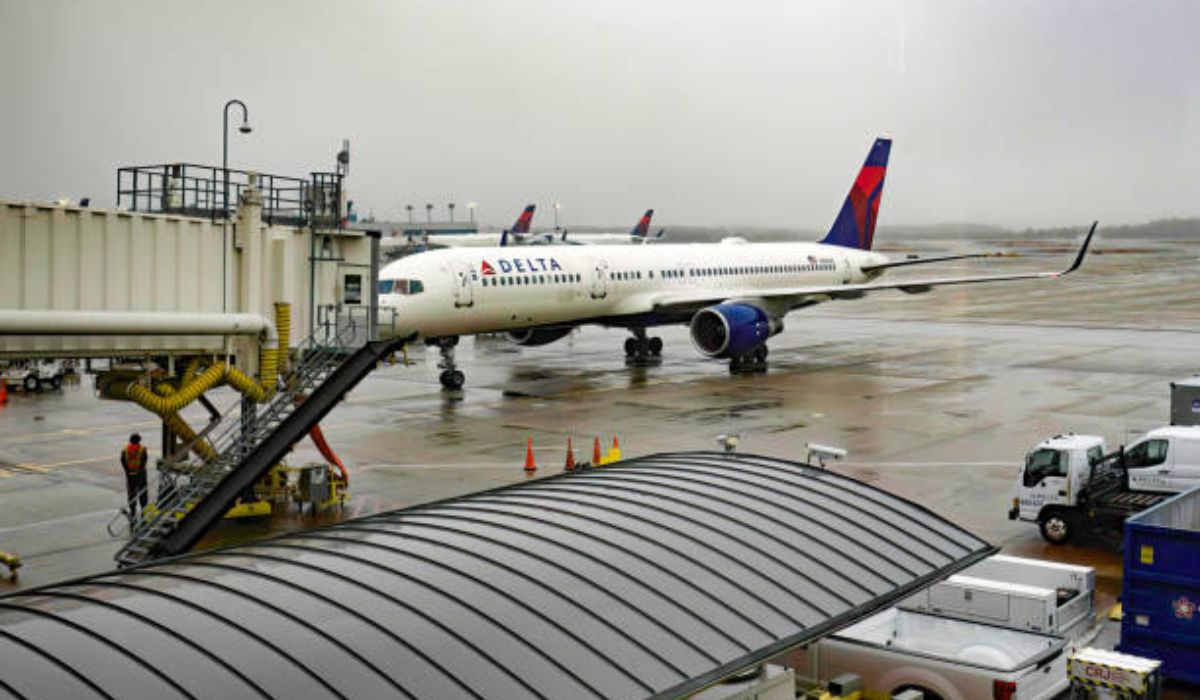
On July 7, 2025, passengers on Delta Connection Flight DL3543 experienced an unexpected disruption that turned a routine regional trip into a high-attention incident. The flight — scheduled to operate between Minneapolis–Saint Paul International Airport (MSP) and Chicago Midway International Airport (MDW) — took off normally, only to turn around and make an emergency landing back at Minneapolis just minutes after departure.
While the term emergency landing often evokes dramatic Delta Connection DL3543 Emergency Landing imagery, the DL3543 event exemplifies how modern aviation safety systems and crew protocols work together to protect passengers, even when no immediate danger is present. This article explores the details of the incident, what it means for passenger safety, and why this event should reassure travelers about air travel’s robust safety framework.
The Timeline of Delta Connection Flight DL3543
Delta Connection DL3543, operated by a regional partner under Delta Air Lines’ brand, departed MSP in the early afternoon on July 7. Within approximately 10 minutes after takeoff, while climbing to cruise altitude, the flight crew made the decision to stop the aircraft’s ascent and return to the departure airport.
Flight tracking data shows that after declaring an Delta Connection DL3543 Emergency Landing emergency using the internationally recognized squawk code 7700 — a signal pilots use to notify air traffic control of an urgent situation — the Embraer regional jet turned back and landed safely at Minneapolis’ runway 12R just 37 minutes after departure.Passengers disembarked normally with no reported injuries or physical harm. Ground crews and maintenance teams then took over to assess the aircraft and investigate the cause of the issue.
Why Was an Emergency Declared?
Although Delta and aviation authorities have not released a full public technical Delta Connection DL3543 Emergency Landing report with precise diagnostic data, preliminary reporting and aviation analysis indicate that the emergency declaration was likely tied to a pressurization-related concern in the aircraft cabin.
Aircraft pressurization systems are responsible for maintaining safe, breathable air as the plane climbs above around 10,000 feet. If a sensor detects irregular pressure readings — even if passengers feel stable conditions — pilots are trained to treat the anomaly seriously.
Here’s why that matters:
- Cabin pressurization is critical for passenger safety and comfort.
- A minor sensor or system alert can signal a larger issue under certain conditions.
- Regulations require immediate action when aircraft instruments show out-of-limit indicators.
In DL3543’s case, the crew’s choice to return early and declare an emergency allowed them to land quickly with airport emergency services standing by — all within standard safety procedures.
What an Emergency Landing Really Means
The phrase “emergency landing” can sound intimidating, but in the aviation world, it is not synonymous with danger or imminent catastrophe. Rather, it’s a broad term used whenever the flight crew decides that continuing to the destination without landing presents unnecessary risk.
According to aviation safety resources:
- Emergency landings include precautionary actions taken when systems alert pilots to a potential fault.
- They can also include medical emergencies, environmental issues, or cabin irregularities.
- The goal is always to land as soon as practicable, prioritizing passenger safety.
In most cases — including DL3543 — the aircraft remains under full control the entire time, and the landing proceeds deliberately, not as a reaction to an unmanageable situation.
Delta Connection and Regional Aviation Standards
Despite the flight number DL3543 carrying Delta Air Lines’ brand, the aircraft itself was operated by a regional affiliate airline. These regional partners fly under the “Delta Connection” banner to provide service on shorter routes using smaller jets, such as Embraer 170 or 175 series aircraft.
It’s important to understand that:
- Regional jets operate under the same federal safety regulations as larger mainline aircraft.
- Pilots and crew receive training that meets or exceeds standardized commercial aviation requirements.
- Maintenance and safety checks adhere to strict oversight from both the airline and aviation authorities.
In other words, from a safety perspective, a Delta Connection flight Delta Connection DL3543 Emergency Landing is no less rigorous than a mainline Delta flight.
Inside the Cockpit: Decision-Making Under Pressure
Perhaps the most critical part of any in-flight emergency isn’t the aircraft Delta Connection DL3543 Emergency Landing or the system alert — it’s the pilot’s judgment. Commercial pilots undergo exhaustive training to respond when things deviate from normal. This includes simulator drills, emergency checklist procedures, and regular re-qualification.
When the DL3543 crew decided to declare an emergency and head back, they acted in line with these principles:
- Identify an irregular condition early
- Consult emergency checklists and assess whether continuing is safe
- Communicate with air traffic control and onboard passengers
- Return to the nearest safe landing opportunity
By choosing to return promptly, the crew ensured passengers were back on the ground before the situation could escalate — even if the underlying issue turned out to be minor.
Passenger Experience During Emergency Landings
Passengers aboard flights that declare an emergency Delta Connection DL3543 Emergency Landing often find the experience stressful, even when the outcome is safe. In DL3543’s scenario, travelers likely noticed:
- Clear announcements from the flight deck explaining the change of plan.
- A quicker descent back to the airport than a typical flight.
- Emergency response vehicles visible near the runway after landing, positioned as a precaution.
These elements may heighten anxiety, but they are part of a pre-planned response ensuring every contingency is covered.
What Happens After a Safe Return
Once an aircraft lands back after declaring an emergency:
- Maintenance teams perform detailed inspections.
- Pilots and engineers review flight data and system readings.
- Passengers are re-booked on alternative flights or offered assistance depending on delay length.
- Regulatory authorities record the event for potential trend analysis or safety improvements.
These steps ensure the aircraft isn’t returned to service until it is verified as safe — reinforcing the aviation industry’s safety-first mindset.
Why This Incident Should Build Confidence, Not Fear
While headline-grabbing phrases like “emergency landing” can unsettle the public, the DL3543 experience actually highlights how resilient and responsive commercial aviation truly is:
- Safety systems detected a potential issue early.
- Crew made a swift, measured decision based on training.
- The aircraft landed safely without injuries.
In fact, emergency landings — especially precautionary ones — underscore the industry’s commitment to action before risk becomes danger.
Final Thoughts
The Delta Connection DL3543 emergency landing serves as a compelling example of how air travel’s safety systems harmonize training, technology, and operational coordination to protect passengers. What might seem like a moment of anxiety for travelers is, in reality, a testament to the aviation industry’s dedication to caution, preparedness, and professional response.Rather than undermining confidence, events like this illustrate that the system remains robust — crews act early, airports are ready, and passengers can trust that precautionary action is the hallmark of safety-oriented flying.
You may also read: Princess Royal Parcel Hub – The Heart of the UK’s Postal Logistics Network