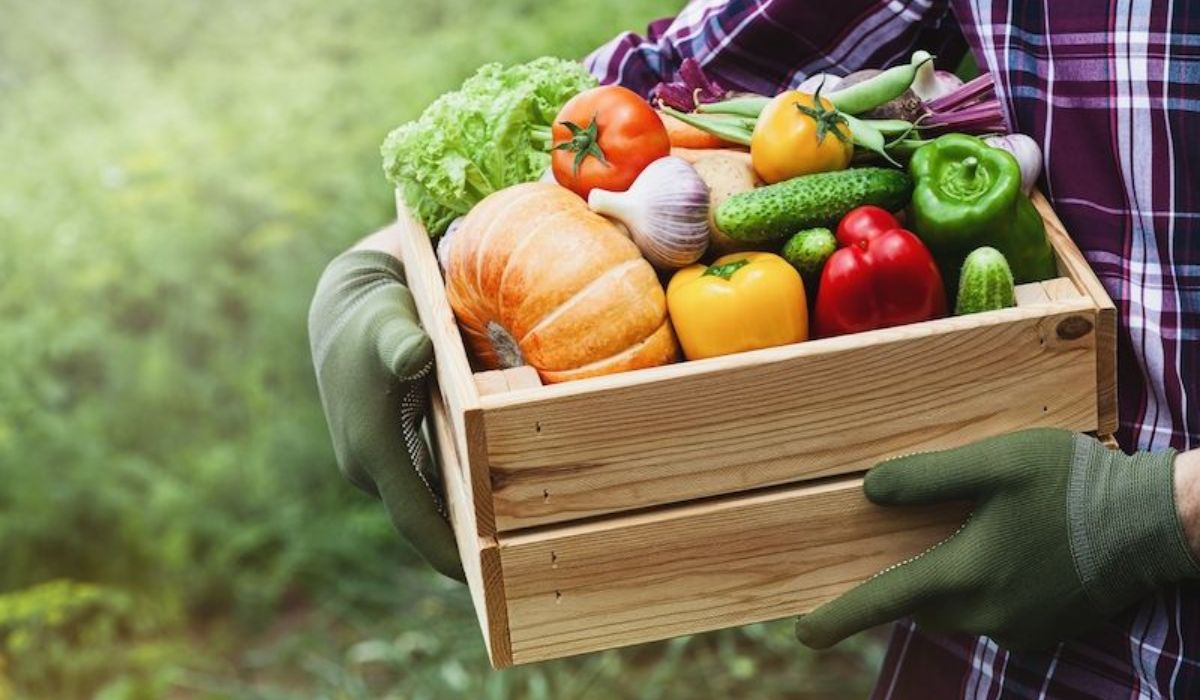
In today’s fast-moving world, food security has become one of the most important global issues. Climate change, rising prices, supply chain disruptions, and population growth are forcing countries and communities to rethink how they produce and consume food. One powerful idea that is gaining attention is becoming most food self-sufficient. This means producing enough food locally to meet the needs of the people without relying too much on imports.
A most food self-sufficient system gives people control over what they eat, how it is grown, and how it reaches their tables. It is not only about survival; it is about sustainability, independence, and healthier living. This article explores what it means to be , why it matters, how it can be achieved, and what it means for the future of our planet.
Understanding What “Most Food Self-Sufficient” Means
To be most food self-sufficient means a country, region, or community can grow, raise, or produce the majority of the food its people consume. It does not mean completely cutting off from the world, but it does mean reducing dependence on foreign food sources.
For example, if a nation can grow its own grains, vegetables, fruits, dairy, and meat, it does not need to worry as much about global food shortages or price spikes. This level of independence makes life more stable and predictable for everyone.
When people talk about being , they are often referring to:
- Local farming and agriculture
- Small-scale and family farms
- Community gardens
- Urban farming
- Renewable and sustainable food production
All these elements work together to create a strong and reliable food system.
Why Being Most Food Self-Sufficient Is So Important
There are many reasons why countries and communities are working toward becoming most food self-sufficient.
Protection from Global Crises
Wars, pandemics, and natural disasters can interrupt food supply chains. If a country depends heavily on imports, its people may face food shortages. Being helps protect against these risks.
Stable Food Prices
When food is grown locally, transportation and import costs are reduced. This often leads to lower and more stable prices for consumers.
Healthier Food
Local food is usually fresher and less processed. This means better taste, higher nutrition, and fewer harmful chemicals.
Support for Local Farmers
A system strengthens local economies. Farmers earn more, rural areas grow, and jobs are created.
Environmental Benefits
Local farming reduces the need for long-distance transportation, which lowers pollution and helps fight climate change.
How Countries Can Become Most Food Self-Sufficient
Becoming most food self-sufficient does not happen overnight. It requires careful planning, smart policies, and community support.
Investing in Agriculture
Governments must invest in farming tools, irrigation, seeds, and training. When farmers have better resources, they can produce more food on the same land.
Using Modern Technology
New farming techniques such as vertical farming, greenhouse agriculture, and smart irrigation systems allow more food to be grown in smaller spaces.
Protecting Farmland
Urban growth often destroys fertile land. To become most food self-sufficient, countries must protect farmland from being turned into buildings.
Encouraging Local Markets
When people buy food from local farmers, it strengthens the food system and keeps money within the community.
The Role of Communities in Being Most Food Self-Sufficient
You do not have to be a country to be most food self-sufficient. Communities and even families can play a huge role.
Home Gardens
Growing vegetables, herbs, and fruits at home is one of the easiest ways to become more self-reliant.
Community Farms
Shared gardens allow neighbors to grow food together. These projects build relationships while producing healthy food.
Food Sharing and Bartering
Exchanging food within a community reduces waste and increases access to fresh produce.
All these actions move a community closer to being most food self-sufficient.
Urban Areas and the Most Food Self-Sufficient Movement
Cities are often seen as places that depend on food from far away, but this is changing. Urban farming is becoming more popular.Rooftop gardens, vertical farms, and indoor growing systems allow cities to produce a surprising amount of food. When cities grow their own vegetables and herbs, they become more most food self-sufficient and reduce pressure on rural farms.This also helps people in cities connect with nature and understand where their food comes from.
Climate Change and Food Independence
Climate change is affecting how and where food can be grown. Droughts, floods, and extreme weather are becoming more common.A most food self-sufficient system is more flexible. When food is grown in many different places instead of a few large farms, it is easier to recover from climate damage. Local farmers can quickly adapt to changing conditions.This makes food systems stronger and more reliable.
Challenges in Becoming Most Food Self-Sufficient
While the idea of being most food self-sufficient is attractive, it also comes with challenges.
Limited Land
Some countries and cities do not have much farmland. They must use creative methods like vertical farming or hydroponics.
Water Shortages
Farming needs water. Without good water management, self-sufficiency is difficult.
Knowledge and Training
Farmers need education to use modern and sustainable farming methods.
Initial Costs
Building a strong local food system requires investment. However, the long-term benefits are worth it.
The Future of the Most Food Self-Sufficient World
The future looks promising for the most food self-sufficient movement. More people are becoming aware of where their food comes from and how it is grown.Governments are supporting local agriculture, and technology is making farming easier and more productive. As these trends continue, more communities and countries will be able to feed themselves.A world where every region is most food self-sufficient is a world with less hunger, less waste, and more sustainability.
Conclusion
Being most food self-sufficient is not just about growing food; it is about building a better future. It gives people control over their lives, protects them from global crises, and supports the environment.From small home gardens to large national farms, every effort counts. When we grow our own food and support local farmers, we move one step closer to a healthier, more secure world.The dream of becoming most food self-sufficient is not far away. With the right choices and collective action, it can become a reality for everyone.
FAQs
1. What does most food self-sufficient mean?
It means producing most of the food needed locally instead of relying on imports.
2. Why is being most food self-sufficient important?
It helps protect against food shortages, lowers prices, and supports local economies.
3. Can cities become most food self-sufficient?
Yes, through urban farming, rooftop gardens, and indoor growing systems.
4. Is most food self-sufficient good for the environment?
Yes, it reduces pollution, saves energy, and supports sustainable farming.
5. How can individuals support a most food self-sufficient future?
By growing food at home, buying local produce, and reducing food waste.
You may also read: Adam Sandler Outfits How a Hollywood Star Turned Casual Style into a Global Fashion Trend