A swimming pool is one of the best ways to relax, stay fit, and enjoy time with family and friends. But behind every clear, sparkling pool is a powerful system working silently — the pool pumps. Without them, your pool water would quickly become dirty, unsafe, and unpleasant to use.
In this complete guide, we will explore what are, how they work, why they matter, the different types available, how to choose the right one, and how to maintain them properly. Whether you are a new pool owner or upgrading your system, this article will help you understand everything about .
What Are Pool Pumps?
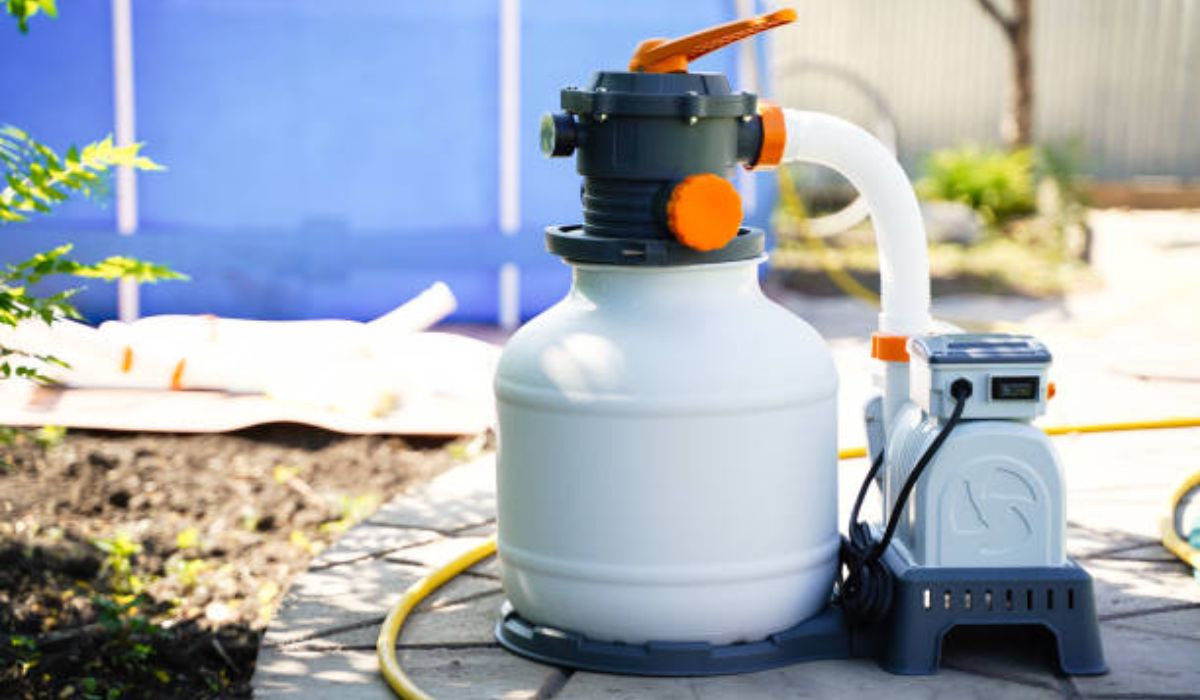
Pool pumps are mechanical devices that move water through your swimming pool’s filtration system. Their main job is to circulate water, remove dirt and debris, and keep chemicals evenly distributed.
Think of as the heart of your pool. Just like the heart pumps blood through the body, push water through filters, heaters, and sanitizers to keep your pool clean and safe.
Without a functioning pump, water becomes stagnant, leading to algae growth, cloudy water, and harmful bacteria.
How Pool Pumps Work
The operation of is simple but very effective:
- Water is extracted from the pool via skimmers and main drains.
- The pump pushes the water into the filter.
- The filter removes dirt, leaves, oils, and small particles.
- Clean water then flows back into the pool through return jets.
This continuous movement ensures that every part of the pool stays clean and well-balanced.
Why Pool Pumps Are So Important
Many people focus on pool chemicals, but are just as important. Here’s why:
- Keeps water clean – Removes debris and impurities
- Prevents algae growth – Stops water from becoming stagnant
- Improves chemical efficiency – Helps chlorine and other chemicals work better
- Protects equipment – Ensures heaters and filters run smoothly
- Creates clear water – Gives your pool that beautiful blue look
Without proper water circulation, even the best chemicals will not work properly.
Types of Pool Pumps
There are different types of and each one is designed for specific needs.
Single-Speed Pool Pumps
These pumps run at only one speed. They are affordable but use more electricity. Many older pools still use single-speed pumps, but they are slowly being replaced by more energy-efficient models.
Dual-Speed Pool Pumps
These pumps have two speeds: low and high. Low speed is used for everyday circulation, while high speed is used for vacuuming or backwashing. They save more energy than single-speed pumps.
Variable-Speed Pool Pumps
These are the most modern and energy-efficient You can adjust the speed based on your pool’s needs. They run quietly, last longer, and can reduce electricity bills by up to 80%.
Choosing the Right Pool Pumps
Not all pool pumps are the same. Here are important factors to consider:
Pool Size
Larger pools need stronger pumps. A small backyard pool does not require the same power as a commercial or large family pool.
Energy Efficiency
Variable-speed may cost more at first, but they save money over time by using less electricity.
Noise Level
Some pool pumps are loud. If your pool is close to your home or neighbors, choose a quiet model.
Compatibility
Make sure the pump works with your pool’s filter, heater, and plumbing system.
How Long Should Pool Pumps Run?
Most should Run 8 to 12 hours a day to keep water clean. In hot weather or when the pool is heavily used, you may need to run it longer.
Variable-speed can run longer at lower speeds while still using less electricity.
Common Pool Pump Problems
Even the best pool pumps can have issues. Here are some common problems:
- Pump not turning on
- Low water flow
- Loud noises
- Leaks
- Overheating
Regular maintenance can prevent most of these issues.
How to Maintain Pool Pumps
Proper maintenance can extend the life of your pool pumps and keep them running efficiently.
Clean the Pump Basket
Leaves and debris can block water flow. Clean it every week.
Check the Filter
A filter that is not clean compels the pump to exert more effort.Clean or replace it regularly.
Look for Leaks
Check pipes and seals for dripping water.
Listen for Noise
Grinding or rattling sounds can mean worn parts.
Keep the Area Clean
Make sure nothing blocks airflow around the pump.
Energy-Saving Tips for Pool Pumps
Electricity costs can be high, but you can reduce them:
- Use variable-speed pool pumps
- Run the pump during off-peak hours
- Clean filters regularly
- Avoid running at full speed all the time
- Use a timer
These simple steps can lower your energy bill while keeping your pool clean.
Signs You Need a New Pool Pump
Your pool pump will not last forever. Replace it if you notice:
- Constant repairs
- Very loud operation
- Poor water circulation
- Rising electricity bills
- Old, outdated model
Newer pool pumps are more efficient, quieter, and more powerful.
Clean water is not just about appearance. It is about health. Dirty water can carry bacteria that cause skin infections, eye irritation, and stomach problems.
Well-maintained pool pumps ensure that harmful germs are filtered out and that sanitizers are evenly distributed.
Future of Pool Pumps
Modern pool pumps now come with smart technology. Some models connect to your phone, allowing you to control speed, schedule, and performance remotely. These smart pumps make pool care easier and more efficient than ever.
Final Thoughts
Your swimming pool depends on pool pumps more than any other piece of equipment. They keep water moving, clean, safe, and enjoyable. Choosing the right pump, using it correctly, and maintaining it well will save you money and protect your pool for years to come.Whether you are installing a new pool or upgrading an old system, investing in high-quality pool pumps is one of the smartest decisions you can make.
You may also read: Rodwajlery The Rising Trend Redefining Modern Style and Identity