In today’s fast-paced world, people want quick, accurate, and affordable ways to understand their health. Medical technology has advanced rapidly, yet many of the most valuable answers about the human body still come from one of the oldest and most trusted tools in medicine — the simple blood test. What might look like just a small vial of blood actually holds deep secrets about your heart, liver, kidneys, immune system, and even your future risk of disease.
A simple blood test is more than just a routine hospital procedure. It is a window into the body’s internal workings. Doctors use it to detect illness, monitor ongoing conditions, guide treatments, and even prevent serious health problems before they start. From checking sugar levels to identifying infections, a plays a vital role in modern healthcare.
Let’s explore how this small sample of blood has such a big impact on our lives.
What Is a Simple Blood Test?
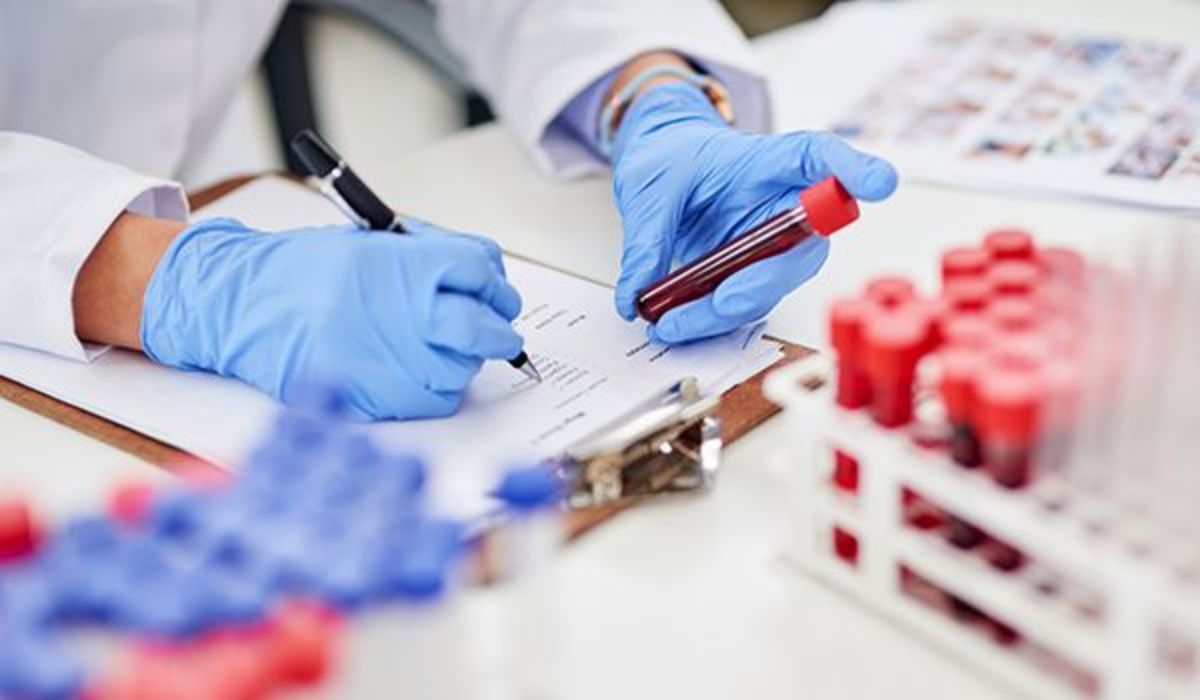
A simple blood test is a medical procedure where a small amount of blood is taken from a vein, usually from the arm, and sent to a laboratory for analysis. It is called “simple” because it is quick, safe, and usually painless. The process takes only a few minutes, but the results can reveal a great deal about your overall health.
Le sang transporte de l’oxygène, des nutriments, des hormones et des déchets à travers votre organisme. By examining it, doctors can check whether your organs are working properly, whether you have an infection, or if there are signs of a disease developing.
Why Doctors Rely on Simple Blood Tests
Doctors trust the simple blood test because it provides clear and measurable data. Unlike symptoms, which can be vague or misleading, blood results give precise numbers that show what is happening inside the body.
Some key reasons doctors use include:
- Detecting early signs of disease
- Monitoring chronic conditions like diabetes
- Checking vitamin and mineral levels
- Measuring cholesterol and heart risk
- Evaluating immune system function
- Diagnosing infections
This makes the simple blood test one of the most powerful diagnostic tools in modern medicine.
Common Types of Simple Blood Tests
There are many different types of each designed to check specific aspects of health.
Complete Blood Count (CBC)
Ce test évalue les globules rouges, les globules blancs et les plaquettes.Cela permet de détecter l’anémie, les infections et les troubles du sang.
Blood Sugar Test
Used to check for diabetes or pre-diabetes, this simple blood test measures how much glucose is in your blood.
Cholesterol Test
This test checks your risk of heart disease by measuring LDL, HDL, and triglycerides.
Liver and Kidney Tests
These tests show how well your organs are working and can detect early damage.
Vitamin and Mineral Tests
Low levels of vitamins like B12 or D can cause fatigue, weakness, and other health problems.
All these tests are done through a making it an easy and effective way to stay informed about your health.
How a Simple Blood Test Can Save Lives
One of the most important benefits of a simple blood test is early detection. Many serious diseases such as cancer, heart disease, kidney failure, and diabetes develop silently. Lorsque les symptômes se manifestent, la maladie peut déjà être à un stade avancé.
Regular blood tests can reveal:
- High cholesterol before a heart attack occurs
- Rising blood sugar before diabetes develops
- Abnormal cells before cancer becomes severe
- Kidney or liver problems before organ failure
This early warning system gives people the chance to make lifestyle changes, start medication, or get treatment before it’s too late.
The Process of Taking a Simple Blood Test
The procedure for a simple blood test is quick and easy:
- Un professionnel de la santé nettoie la peau de votre bras.
- A small needle is inserted into a vein.
- Blood is collected in a tube.
- On retire l’aiguille et on pose un petit pansement.
- The sample is sent to a laboratory.
Most people feel only a slight pinch. There is very little risk, and the entire process usually takes less than five minutes.
How to Prepare for a Simple Blood Test
Some simple blood tests require no preparation, while others need you to fast for several hours. Fasting means not eating or drinking anything except water for about 8 to 12 hours before the test.
C’est votre médecin qui déterminera si un jeûne est nécessaire. It is also important to inform them about any medicines or supplements you are taking, as some can affect the results.
Understanding Your Blood Test Results
When you receive your simple blood test report, it will show numbers and ranges. These ranges represent what is considered normal for healthy people.
If your results fall outside the normal range, it does not always mean you are sick. Factors like age, stress, diet, and hydration can affect blood values. That is why your doctor will review the results and explain what they mean for your specific situation.
Simple Blood Test and Preventive Healthcare
Preventive healthcare is all about stopping disease before it starts. A simple blood test is one of the most powerful tools for prevention. Regular testing can identify:
- High blood pressure risk
- Vitamin deficiencies
- Hormonal imbalances
- Inflammation in the body
- Heart disease risk
By knowing these early, people can change their diet, exercise habits, or start treatment to stay healthy.
The Role of Simple Blood Tests in Chronic Diseases
People living with chronic conditions like diabetes, heart disease, thyroid problems, or kidney disorders depend on simple blood tests to manage their health.
For example:
- Diabetics use blood sugar tests to control glucose levels.
- Heart patients check cholesterol and enzymes.
- Thyroid patients monitor hormone levels.
Without a simple blood test, managing these conditions would be extremely difficult.
Modern Technology and the Future of Simple Blood Tests
Medical science is constantly improving. Today, some simple blood tests can detect cancer, genetic conditions, and even early signs of Alzheimer’s disease.À l’avenir, une simple goutte de sang pourrait permettre d’examiner simultanément des centaines d’indicateurs de santé.
Home testing kits are also becoming popular, allowing people to perform a simple blood test without visiting a hospital.Cela rend les soins de santé plus accessibles et pratiques pour tous.
Why Everyone Should Get Regular Simple Blood Tests
You don’t have to be sick to get a simple blood test. In fact, healthy people benefit the most because early detection prevents serious problems.
Doctors recommend regular blood tests for:
- Adults over 30
- People with family history of disease
- Smokers or overweight individuals
- Anyone feeling tired or unwell
A simple blood test gives peace of mind and helps ensure a longer, healthier life.
Conclusion
The simple blood test may seem small, but its impact is enormous. From detecting disease to monitoring health and preventing serious problems, it is one of the most powerful tools in modern medicine. It is fast, safe, affordable, and incredibly informative.
Whether you are feeling healthy or dealing with a medical condition, a simple blood test provides the answers your body is trying to give you. In a world where health is more important than ever, this small test continues to save lives every day.
You may also read: Consistent Sleep Patterns The Hidden Key to a Healthier, Happier Life